
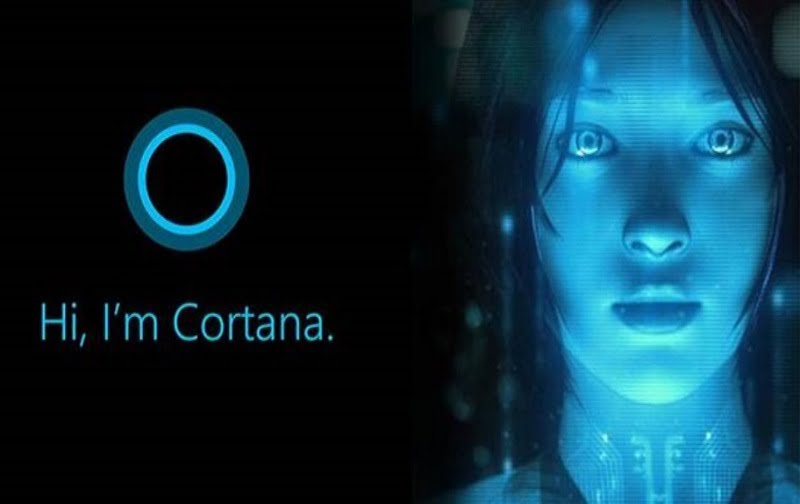
Microsoft has officially announced that Cortana, its virtual assistant, will be discontinued on the Windows platform. This decision comes as Microsoft introduces Windows Copilot and emphasizes the capabilities of Bing Chat. In this blog post, we will explore the journey of Cortana, the reasons behind its discontinuation, the replacements offered by Microsoft, and the company’s focus on advancing AI with Windows Copilot and Bing Chat.
Contents
- 1 Microsoft’s Decision: Discontinuation of Cortana on Windows
- 2 The Rise and Fall of Cortana
- 3 The Future of AI on Windows 11: Windows Copilot and Bing Chat
- 4 Cortana’s Limited Potential and Integration into Other Devices
- 5 Cortana’s Availability in Other Microsoft Products
- 6 The End of an Era: Windows 10 and Cortana
- 7 Microsoft’s Focus on Advancing AI
Microsoft’s Decision: Discontinuation of Cortana on Windows
In a recent support document, Microsoft confirmed that the standalone Cortana app on Windows will no longer receive support starting later this year. This move follows the introduction of Windows Copilot, which was unveiled at Microsoft’s Build 2023 conference. While there was speculation that Copilot would replace Cortana, Microsoft clarified that the two services have distinct purposes and are not interchangeable.
The Rise and Fall of Cortana
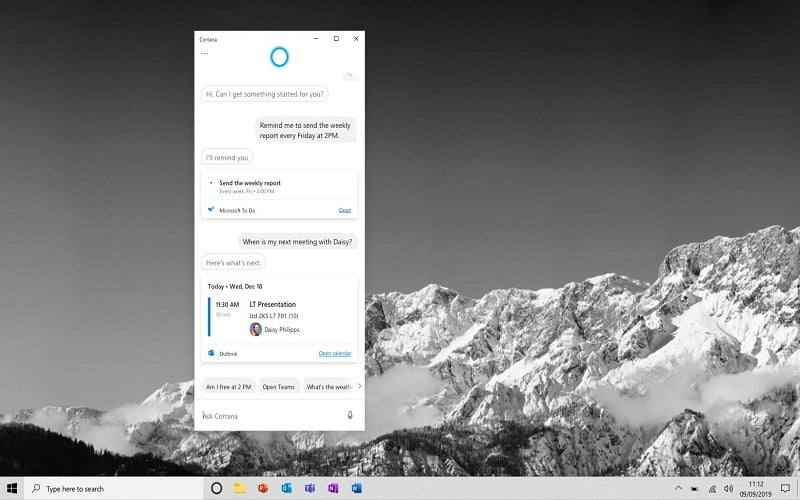
Cortana was initially launched as a virtual assistant for Windows Phone 8.1 in 2014 and later made its way to desktops with Windows 10. Microsoft integrated Cortana into various applications, mirroring its current approach with Windows Copilot. However, due to limited potential in competing with Amazon’s Alexa, Microsoft gradually scaled back its efforts. Cortana was separated from Windows, becoming a standalone app rather than a taskbar feature. Over the past few years, it has received minimal updates or new features.
The Future of AI on Windows 11: Windows Copilot and Bing Chat
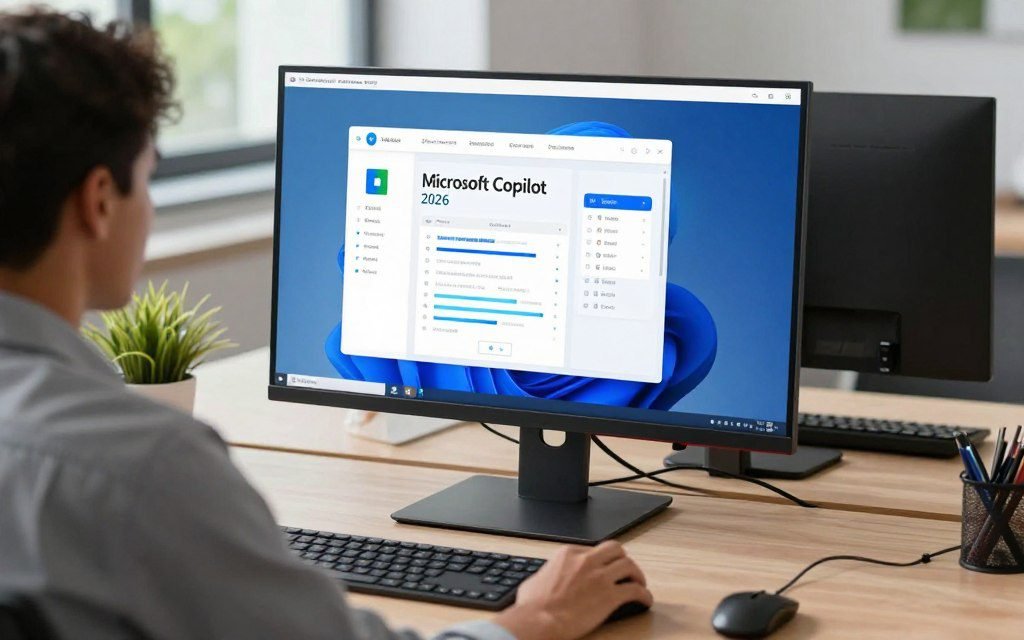
While Cortana will no longer be available, Microsoft ensures users that AI experiences will still be accessible on Windows 11. Notable replacements mentioned include Windows Copilot, the new Bing, Microsoft 365 Copilot, and voice access in Windows, enabling voice control of PCs. Microsoft’s focus on AI is evident, with plans to move forward with GPT-4, a more advanced voice assistant, instead of relying on Cortana’s basic functionality.
Cortana’s Limited Potential and Integration into Other Devices
Recognizing the limited potential of Cortana, Microsoft took steps to adapt. Cortana devices such as the Harman Kardon Invoke smart speaker and the Johnson Controls Glas thermostat have lost support. This discontinuation aligns with Microsoft’s focus on developing more advanced AI capabilities, as demonstrated by Windows Copilot and Bing Chat.
Cortana’s Availability in Other Microsoft Products
Although Cortana will be discontinued on Windows, Microsoft clarified that it will still be available in Outlook mobile, Teams mobile, Teams display, and Teams rooms. However, given the discontinuation on Windows and the lack of recent updates, it may not be the ideal time to build workflows around the virtual assistant.
The End of an Era: Windows 10 and Cortana
The end of Cortana coincides with the approaching end of the Windows 10 era. Microsoft recently confirmed that the upcoming 22H2 version will be the final feature update for this widely used operating system. As Windows 11 takes the spotlight, Microsoft is shifting its focus towards advancing AI capabilities and providing users with enhanced experiences.
Microsoft’s Focus on Advancing AI
With the discontinuation of Cortana on the Windows platform, Microsoft is reinforcing its commitment to advancing AI technology. The introduction of Windows Copilot and Bing Chat showcases the company’s focus on delivering more advanced and capable AI experiences to Windows users. As Microsoft embraces the future, users can expect exciting developments in AI functionality and interactions on the Windows platform.
